
Keep Paneer Fresh for Days: The Packaging Trick

Some people see paneer as comfort food. Others turn to it when they want something tasty and filling. Either way, paneer remains one of the most versatile dairy products in Indian kitchens. It fits naturally into a regular desi sabzi, works well in evening snacks, and supports a protein-rich diet.
However, unlike many other food items, paneer does not handle careless storage well. Loose packs, improper packaging, or inappropriate preservation can spoil paneer before you have truly enjoyed it or before your customers even take it home. This is where knowing proper paneer packaging is important.
This blog explains simple, practical paneer packaging ideas that help keep paneer fresh for days, for both consumers and small dairy brands.
How Should Dairy Brands Preserve Paneer?
Before packing paneer, it's important to understand how it is made and preserved. The following steps will not only increase paneer shelf life but also keep it fresh:
Use fresh, high-quality milk: Paneer's shelf life depends on the quality of the milk. Fresh, hygienic milk with a low microbial load yields paneer that stays stable longer. Poor milk quality shortens shelf life from day one, even with good packaging.
Control moisture after pressing: Paneer retains water, but excess surface moisture encourages bacterial growth. After pressing, blocks should drain properly and allow surface water to reduce before packaging. Drier surfaces slow spoilage.
Maintain strict temperature control: Paneer should cool quickly after preparation and remain at 2°C to 4°C at all times. Delays or exposure to higher temperatures can reduce shelf life by several days.
Follow hygiene at every touchpoint: All equipment, hands, and cutting surfaces must remain sanitised. Paneer absorbs contamination easily, so even minor hygiene lapses can lead to early spoilage.
Store in clean, odour-free cold conditions: Paneer should be kept in closed, food-grade containers inside cold rooms. It should never be stored openly or near strong-smelling products, as it absorbs odours quickly.
What are the Paneer Packaging Techniques Dairy Brands Can Use?
Paneer is a fresh dairy product with high moisture content. This makes it sensitive to air, temperature changes, and microbial activity. Effective paneer packaging focuses on controlling these three factors without altering the product’s natural taste or texture.
Below are the most reliable and premium packaging techniques used to keep paneer fresh for long:
Vacuum Packaging
Vacuum packaging works by removing oxygen from the pack before sealing. Since oxygen supports bacterial growth and oxidation, its absence significantly slows spoilage.
It maintains paneer’s firmness, removes air completely from the pack and prevents surface discolouration.
When paneer is vacuum-packed immediately after cooling and stored at 2°C to 4°C, its shelf life can be extended to 7-10 days under proper refrigeration.
It reduces the need for chemical preservatives.
Quality-focused dairy brands widely adopt vacuum packaging because it offers consistent results with minimal processing changes.
2. Modified Atmosphere Packaging (MAP)
Modified Atmosphere Packaging replaces the air inside the pack with controlled amounts of food-grade gases such as nitrogen and carbon dioxide.
These gases slow microbial activity while maintaining paneer’s soft texture.
MAP is especially useful for paneer intended for retail shelves and wider distribution. It protects paneer during transport and storage without compressing the product.
Unlike vacuum packs, MAP helps paneer retain its original shape and moisture balance.
When combined with continuous refrigeration, MAP can significantly increase paneer shelf life without affecting taste.
3. Plastic Tray with High-barrier Film Sealing
This method involves placing paneer in a rigid, food-grade plastic tray and sealing it with a high-barrier film.
The tray protects paneer from physical damage and handling stress, while the film helps slow spoilage.
It limits oxygen and moisture transfer.
This packaging format works best for short to medium shelf life and is commonly used in supermarkets and retail shops. Its success depends heavily on cold-chain management and film quality.
When executed correctly, it offers incredible product safety.
Also Read: How to Store Dairy Products Properly to Maintain Freshness
4. Cryogenic Packaging and Rapid Chilling
Cryogenic techniques use extremely low temperatures to chill paneer rapidly after production.
Its quick stabilisation reduces bacterial activity early on, stabilises paneer texture and reduces spoilage risk.
While cryogenic methods are not a standalone packaging solution, they strengthen the effectiveness of vacuum or MAP packaging. Rapid chilling locks in freshness and reduces the chances of early spoilage.
Advanced dairy facilities typically use this approach, and brands focused on higher quality control standards do as well.
5. Aseptic Packaging for Processed Paneer Variants
Aseptic packaging involves sterilising the product and the packaging material separately before sealing in a sterile, controlled environment.
It extends shelf life and reduces reliance on refrigeration.
This method is best suited to processed or heat-treated paneer formats rather than fresh paneer blocks.
Aseptic packaging is gaining relevance for ready-to-cook paneer products where safety and extended shelf life are priorities.
Fresh paneer is used selectively and only after controlled processing.
But is preserving paneer important only until it’s sold? No.
How to Preserve Paneer at Home?
The following are some useful paneer storage tips at home:
Refrigerate paneer immediately and keep it between 2°C to 4°C
Store paneer in a clean, airtight container to limit air exposure
Wrap loose paneer in food-grade paper or muslin cloth before sealing
Keep paneer away from strong-smelling foods in the fridge.
Use clean, dry utensils while cutting or handling paneer.
Consume opened paneer within 2 to 3 days for best freshness.
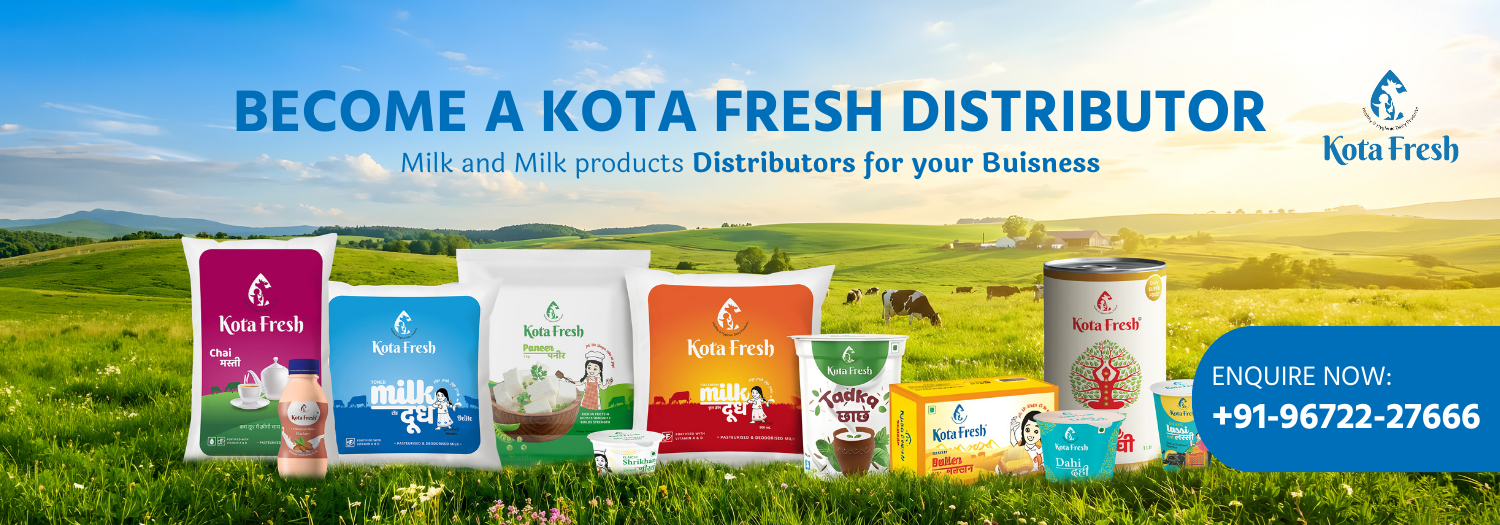
Kota Fresh Paneer - Quality & Freshness You Can Trust
Preparing tasty and nutritious paneer begins with pure cow milk, hygienic practices and good storage. At Kota Fresh, as an ISO-certified company, we follow all these steps.
Get the best paneer in Kota, now.
A sour or off smell is the first sign. Paneer may also feel unusually rubbery, slimy, or release excess moisture inside the pack. If anything feels off, it is better not to use it.
FAQs
-
Ans: Paneer spoils fastest when sold openly or in loose packaging. Exposure to air, moisture, and repeated handling increases contamination risk. Paneer should always be packed in sealed, food-grade packs. At Kota Fresh, paneer is stored in controlled conditions and packed using reliable vacuum-sealed packaging to maintain freshness.
-
Ans: Consumers should check that the paneer is properly sealed, carries valid FSSAI or ISO certifications, is stored under refrigeration, and clearly mentions the manufacturing and use-by dates. Avoid packs that appear swollen, leaking, or kept outside chilled conditions.
-
Ans: A sour or off smell is the first sign. Paneer may also feel unusually rubbery, slimy, or release excess moisture inside the pack. If anything feels off, it is better not to use it.

